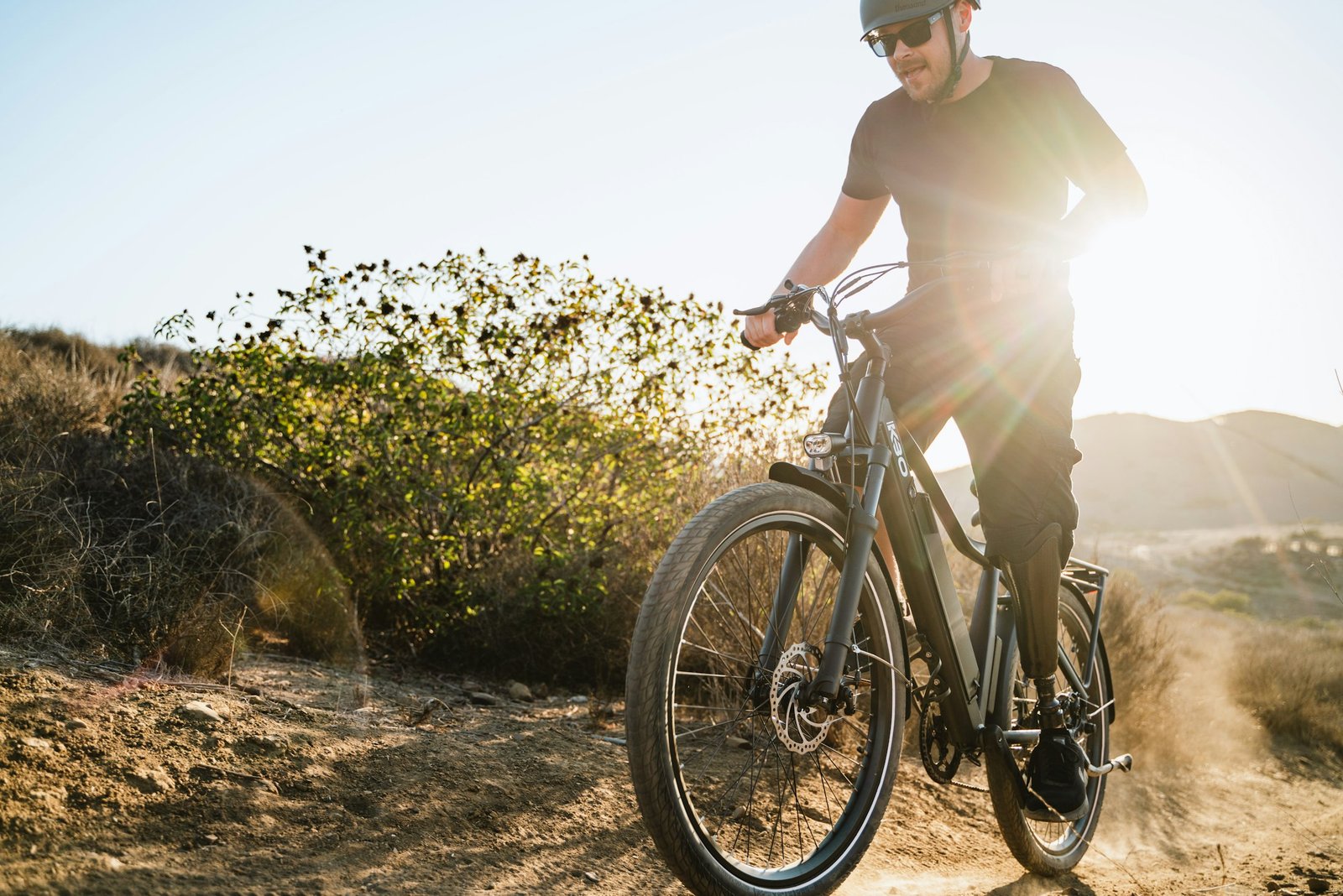
If you are shopping for an electric bike in the US, you will see bikes described as Class 1, Class 2 or Class 3. These classes describe how the motor helps you and how fast it will assist. They matter because many states and cities use them to decide where each e-bike can be ridden.
Class 1: pedal assist up to 20 mph
The motor only helps while you pedal, and the assistance stops at 20 mph. There is no throttle. Class 1 bikes are generally allowed in the most places, including many bike paths.
Class 2: throttle up to 20 mph
Class 2 e-bikes can also be powered by a throttle, without pedaling, up to 20 mph. Many also offer pedal assist. They are popular with commuters and riders who want help getting started from a stop.
Class 3: pedal assist up to 28 mph
The motor helps while you pedal up to 28 mph. Class 3 bikes usually have a speedometer, and some areas set age limits or require a helmet. They are often restricted from multi-use paths.
Can a bike change class?
Some e-bikes ship in one class and can be set to another through their display or app, for example a Class 1 bike that can be unlocked to Class 3. If you change the setting, the bike must follow the rules for its new class.
What about electric dirt bikes?
Electric dirt bikes and many high-powered electric motorcycles fall outside the three-class e-bike system. They are usually designed for off-road use only, unless the specific model is street-legal and registered where you live.
Always check your local rules
E-bike laws differ by state, county and city, and they change over time. Check the rules where you plan to ride, and wear a helmet every ride.
Ready to compare? Each of our product pages lists the e-bike’s class in its Specifications tab. Browse all rides.
Have a question about choosing a ride? Contact our team or call +1 (903) 314-6045.